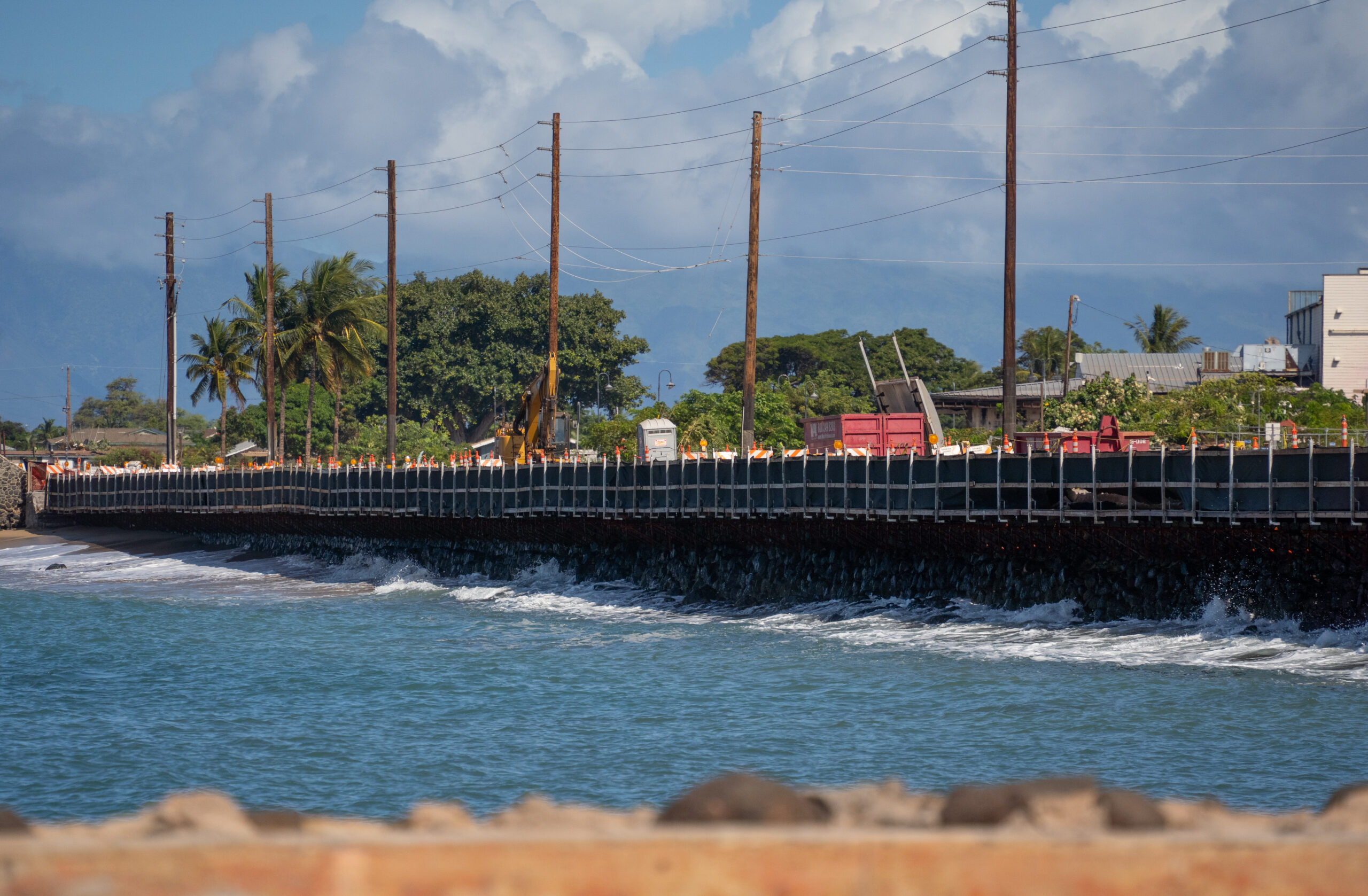
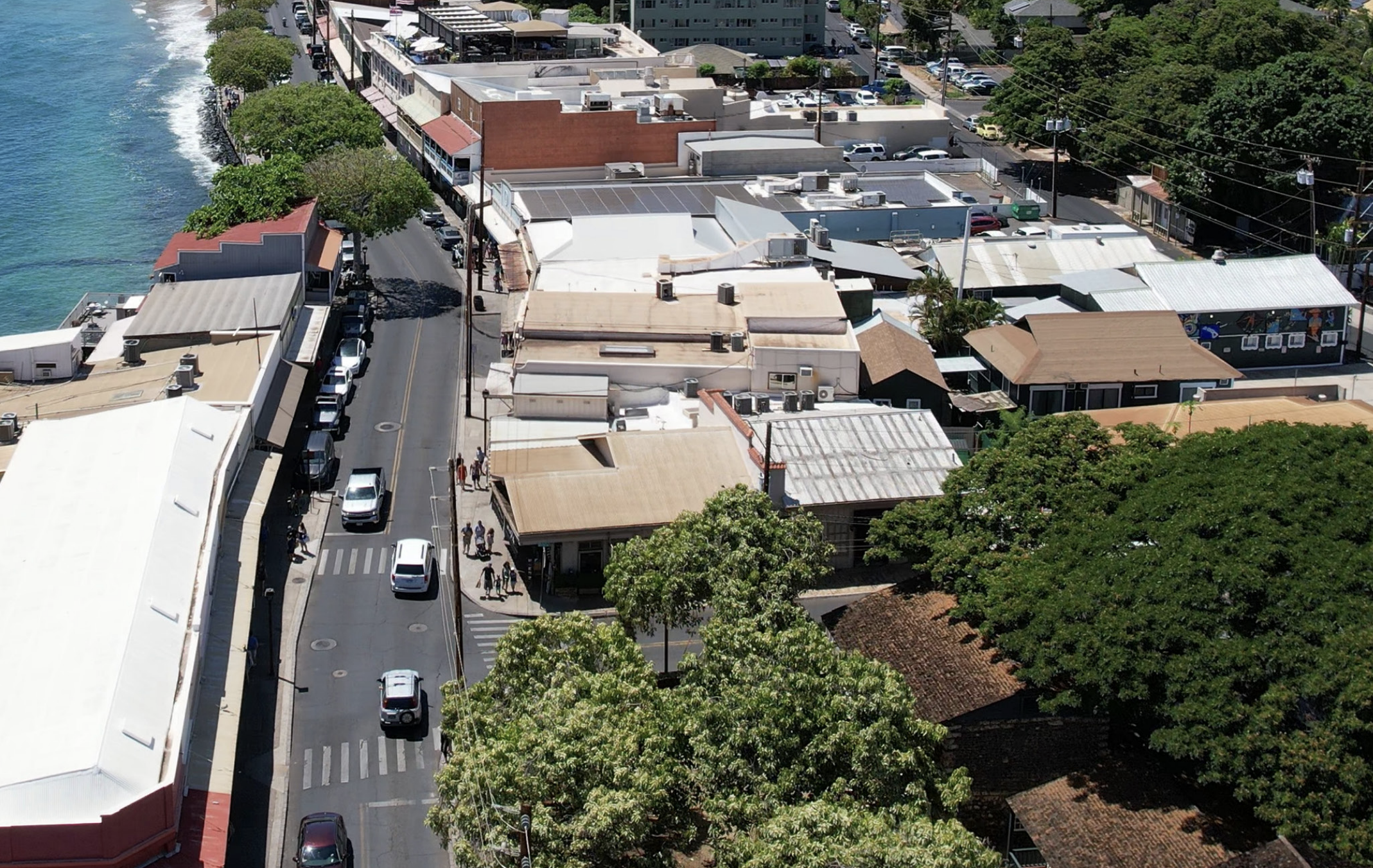
Maui County has released draft guidelines to help streamline and jumpstart the more complex rebuilding of the iconic Front Street and the rest of the commercial district, which does not look much different than it did nearly a year ago when the cleanup of debris from the August 2023 wildfire was completed.
The guidelines are the latest attempt to move forward rebuilding of businesses after the first two years of Lahaina’s recovery have centered on residential recovery, which the county made clear was the priority. But now with 105 homes completed, 300 more under construction and nearly 200 more home building permits being processed, focus has begun to turn to recovering Lahaina’s commercial center.
HJI Weekly Newsletter
Get more stories like these delivered straight to your inbox. Sign up for the Hawai‘i Journalism Initiative’s weekly newsletter:
ADDING YOU TO THE LIST…
“They’re coming to the realization that they need to be more proactive in helping the businesses get back in,” said Leil Koch, who owns one of the only surviving structures on Front Street. “And I’m glad that they’re stepping up to the plate now. We still need a lot more help in trying to get that process going.”
Kate Blystone, director of the Maui County Planning Department, said the goal is to create “clear guidance on how the buildings and historic districts should look and feel when Lahaina is rebuilt.”
Rebuilding in the area is a complicated and sensitive process because of the area’s historic significance and location in the special management area next to the shoreline. The guidelines aim to help property owners in the commercial district meet federal and historic standards as they apply for permits. But property owners aren’t required to follow the guidelines.
Drew Finke of Opticos Design, a company that is helping the county with the guidelines, said their purpose is to serve as a helpful reference for property owners and make review of proposed building plans more efficient.
Finke said the guidelines are a result of months of community outreach and hundreds of comments over the summer and fall.
“They’ve really been designed to try and provide a one-stop shop that allows projects to demonstrate compliance with Secretary of the Interior and historic district design guidance,” he said during a December webinar about the guidelines.
The community will have the opportunity to give their input when the draft guidelines come up for discussion before the Urban Design and Review Board at 10 a.m. on Tuesday and the Cultural Resources Commission at 9 a.m. on Thursday.
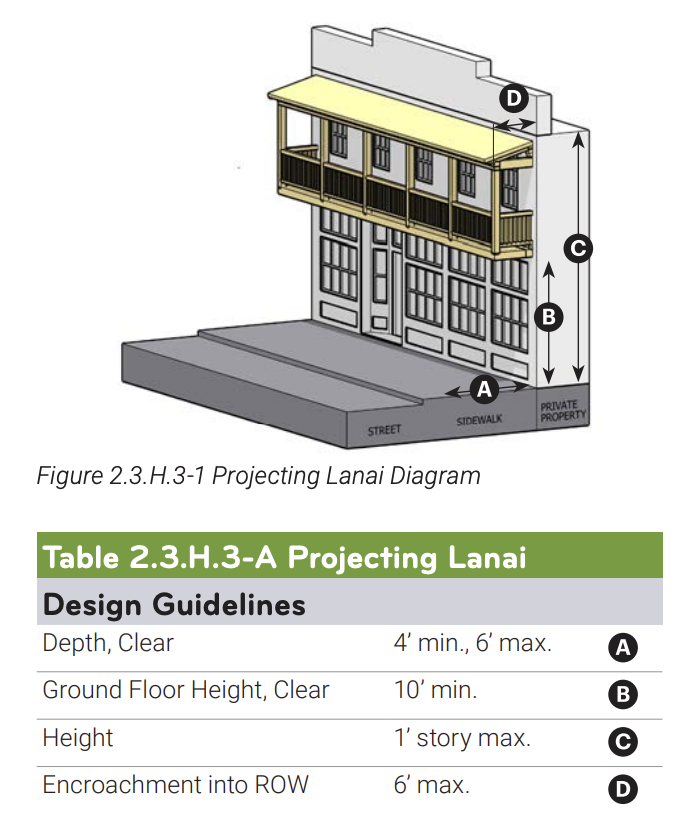
The guidelines outline details that property owners and their architects will need as they rebuild in a commercial district that overlaps with areas of historic significance. Based on their location and the type of project, property owners can determine what design guidelines apply to their plans before pursuing the review and approval process.
The guidelines break down specific measurements such as walkway widths, building heights, facade widths, projecting lanai and awnings.
Some of the central goals of the design guidelines are to rebuild the Front Street commercial core and promote consistent building frontage, accommodate workforce housing where possible, and build with fire safety and sea level rise in mind, according to the guideline documents.
The guidelines also aim to increase accessibility and make the area more pedestrian friendly, with more mauka-to-makai walking paths, bike-friendly routes that connect to the future West Maui Greenway and improved emergency vehicle access.
Glenn Mason of Mason Architects will be looking into the county’s design guidelines as he helps plan the reconstruction of four projects on Front Street and Luakini Street. All of his projects aim to rebuild essentially the same structure that was lost, which “makes things a little bit easier when you’re trying to present” a project proposal for county review.
“I know there are some other owners that have larger pieces of property, for example, who may be thinking about developing in a different way,” Mason said.
But for Mason, the biggest issues are the lack of certainty and the time it takes to get a permit. Until September, the property owners didn’t know whether the county planned to widen Front Street, forcing owners to potentially adjust their plans. Even when they are able to submit their applications, it becomes a waiting game. The county won’t issue a permit until the project is reviewed by the Cultural Resources Commission, and the commission also needs input from the State Historic Preservation Division.
“It’s like everybody’s waiting for everybody,” Mason said. “It just seems to be taking longer than it should.”
Mason is frustrated that it’s taken over two years to figure out some of the details, but he thinks the release of the design guidelines is a good thing. He said they could help provide a “measuring stick” for both the Cultural Resources Commission and the State Historic Preservation Division and help move project reviews along.
“The creation of the guidelines is an indication of forward movement, and that is a good thing to me,” he said.
Tambara Garrick, president of the LahainaTown Action Committee, said what local businesses need most is clarity on the parameters for rebuilding.
“People are ready to start building their businesses and opening their doors and getting back to work,” Garrick said.
The county’s decision earlier this year to not widen Front Street and keep it as two lanes open to both vehicles and pedestrians was a critical piece of the puzzle for property owners who were bracing for changes.
Last month, the county also released a directive that exempted Lahaina historic districts 1 and 2 from the minimum parking and loading requirements in the county code.
Maui County Managing Director Josiah Nishita noted that the current zoning code that requires new buildings to provide a specific number of parking spaces is designed for “modern suburban development, not historic towns” like Lahaina with its formerly narrow streets, small storefronts and closely-packed buildings.
Instead of a set number of stalls for each business, the goal is to treat parking as a “shared community resource” and make sure there is enough parking in existing public parking lots and new shared parking facilities.
The brick-and-mortar businesses may still be a ways off from returning to operations. But in mid-December, the state reopened Lahaina Harbor to limited commercial activities, allowing boats to load and unload passengers in the area. It marked the earliest return of business activity to the area but also sparked public concerns over trespassing in sensitive places devastated by the fire.
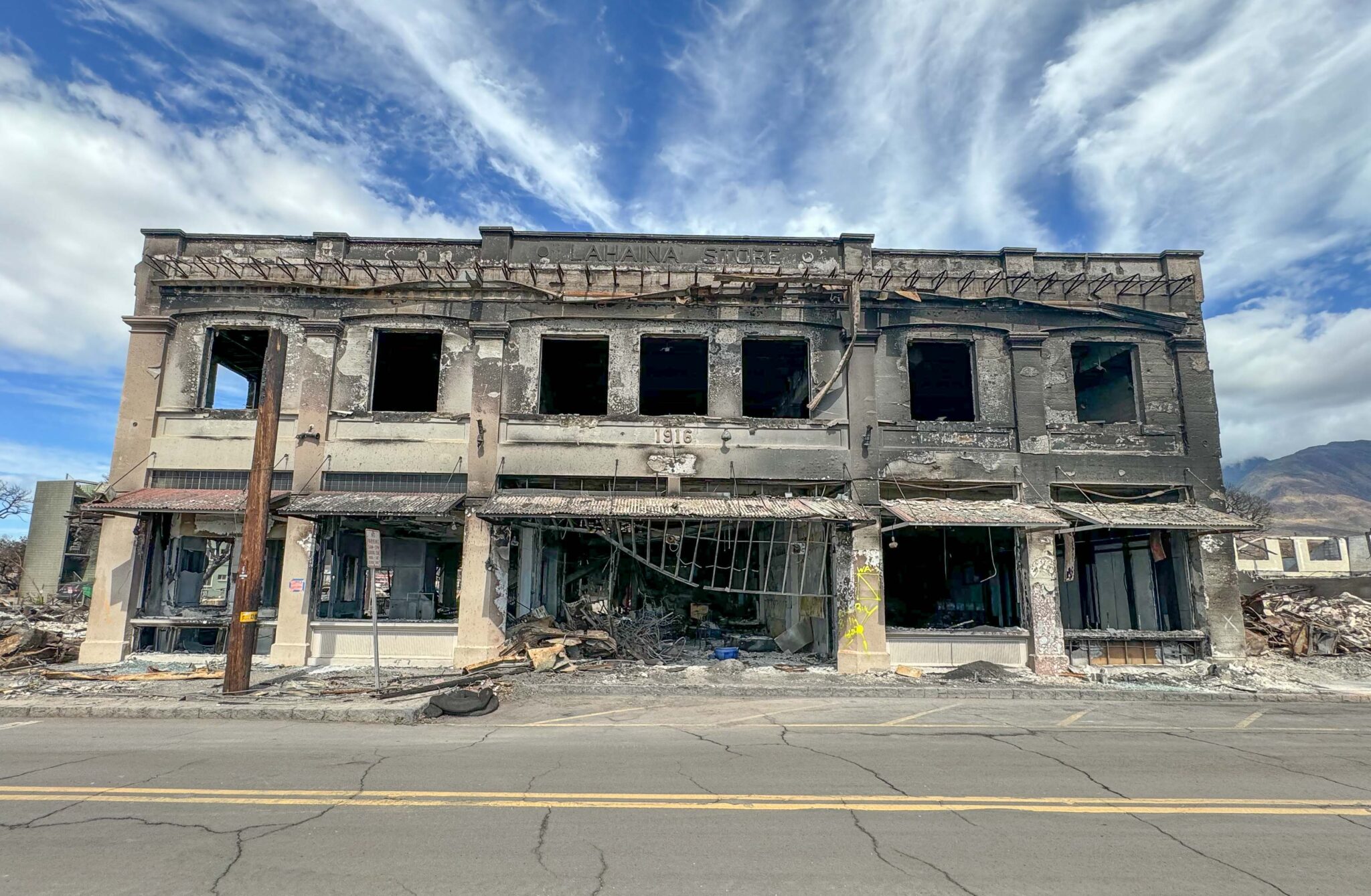
Koch likely will be one of the earliest to rebuild, with his building at 744 Front Street charred but still standing after the fire. He recently submitted his building application to the county as he prepares to remodel the structure that was home to Fleetwood’s on Front Street. It’s expected to cost at least $12 million to fix up.
Whether it’s making decisions on roads or parking or releasing design guidelines, Koch said it’s “all integral” in helping businesses build back, restore jobs and “create the stability to help maintain all the residential positive things that have been going on in Lahaina.”
“We just need to catch up,” Koch said.