FAIRFAX COUNTY, Va. – If you grab takeout, dine out, or run a food business in Fairfax County, you’ll see a change in 2026: a new meals tax is about to take effect.
What the new tax does
Beginning Jan. 1, 2026, Fairfax County will levy a 4% Food and Beverage Tax on prepared food and drinks sold as meals.
That means a $35 restaurant bill would include an additional $1.40 county tax, on top of existing state sales tax.
The tax applies to food sold by restaurants, bars, cafes, food trucks, caterers and dozens of other establishments classified as restaurants under Virginia law.
RELATED: New laws for DC, Maryland and Virginia on January 1, 2026
Where it applies — and where it doesn’t
The meals tax applies throughout Fairfax County, but not in:
- The Towns of Clifton, Herndon or Vienna
- The Cities of Fairfax or Falls Church
Those localities already impose their own meals taxes.
Who has to collect it
The tax is collected by the seller, not the county directly. Businesses must:
- Register with the county
- Collect the tax from customers
- File and remit payments monthly, even if no tax was collected
Online registration for businesses opens Jan. 2, 2026.
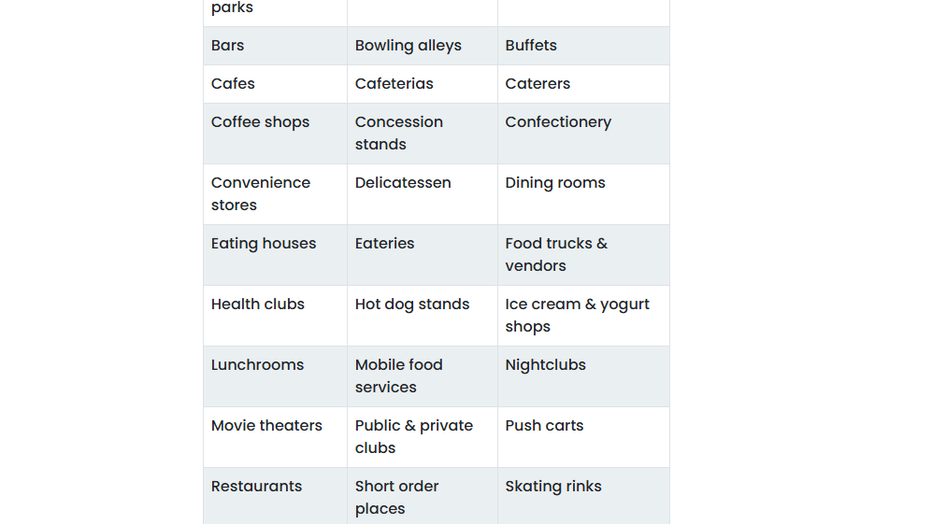
Chart examples of establishments responsible for collecting and remitting the tax (From Fairfax County’s Website)
Deadlines and penalties
Monthly tax filings are due by the 20th of each month for the previous month’s sales.
Late payments come with:
- A 10% penalty
- 5% annual interest on unpaid balances
A break for businesses
To offset the cost of collecting the tax, Fairfax County is offering a seller’s discount:
- 3% of the meals tax collected through Dec. 31, 2027
- The discount drops to 1% starting Jan. 1, 2028
The discount only applies if payments are made on time.
What’s exempt
Not everything you buy is taxed. Exemptions include:
- Grocery items
- Factory-sealed beverages sold alone
- Vending machine food
- Certain nonprofit, school, hospital and church meals
- Farmers market and roadside sellers earning under $2,500 annually
- Alcohol sold in factory-sealed containers for off-premises consumption
What’s next:
Fairfax County’s Department of Tax Administration is hosting Food and Beverage Tax workshops and offering online guides, videos and multilingual resources to help businesses prepare.
Residents and business owners can find full details, registration links and FAQs at:
The Source: This article was written using information from Fairfax County’s Department of Tax Administration.