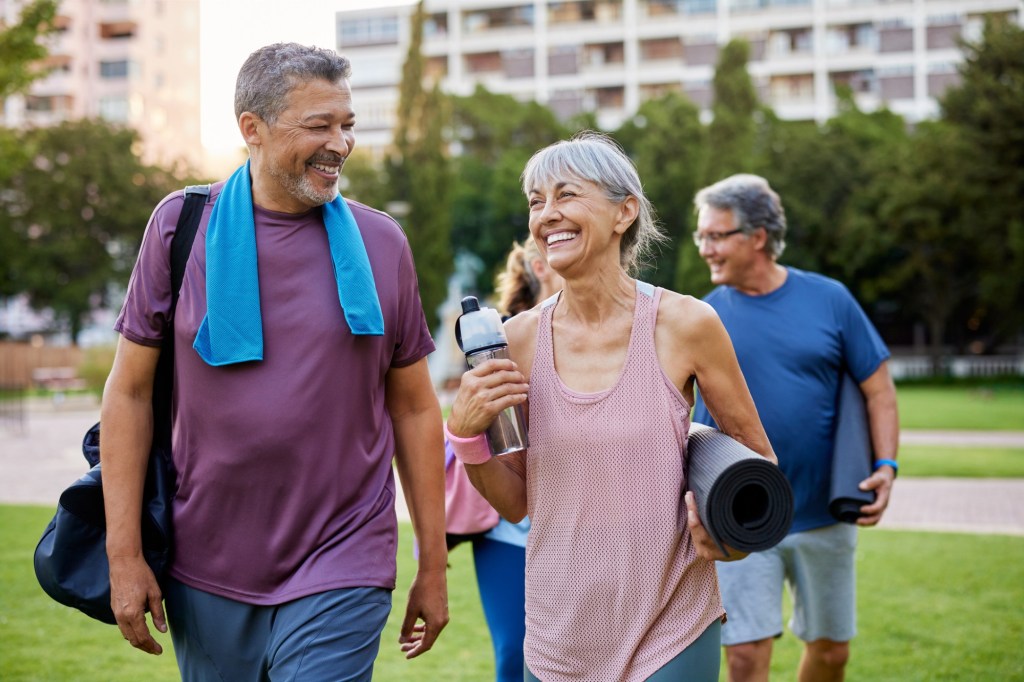
In a recent column, I referred to a lecture I gave on “The Bonus Years: What It Takes to Thrive.” I shared some of the highlights from the “bonus section” of the lecture.
This week, let’s talk about the second part: “What it takes to thrive.” Thriving means to live a fulfilling, purposeful and satisfying life, despite its challenges. It’s a feeling of well-being.
So, what can we do to achieve this? Consider the following seven lifestyle habits, which are interrelated:
Physical activity: Physical activity is essential for healthy aging. The Centers for Disease Control (CDC) tell us that just a single engagement of moderate to vigorous physical activity can improve sleep, decrease anxiety and lower blood pressure. Regular physical activity is known to reduce risks for dementia, including Alzheimer’s Disease. It lowers the risk of heart disease, stroke and type-2 diabetes as well as eight types of cancer.
Cognitive health: Cognitive health refers to our ability to think, learn and remember. Among the many aspects of brain health, let’s just focus on one. And that is called brain plasticity, which involves our brain’s capacity to develop new neural pathways. According to Harvard Health Publishing, our brain has the ability to learn and grow as we age. But we have to work on it. Learning something new or enhancing one’s knowledge or skills creates those new neural connections that improve cognitive abilities.
Purpose: Okinawans call it “ikigai” or “reason for being.” In 2014, the late noted geriatrician Dr. Robert N. Butler found that those with a sense of purpose and life goals lived longer and were sharper than those who didn’t. Subsequent studies have confirmed this. Having a purpose in life serves as a powerful protective factor against the physical, cognitive, and emotional challenges of aging. Retirement and the loss of a spouse can make finding a new purpose challenging.
Sleep: Sleep is as important as food, water or air to our survival. It gets our attention because it affects so much of our functioning. Here are some examples. Sleep rids the brain of toxins and affects the lungs and energy. Furthermore, it offers protection against disease and affects mood. It helps one learn, solve problems, make decisions and be creative. It helps in responding quickly, solving problems, paying attention, making decisions and being creative and more. It does a lot!
Social support: Lack of social support is considered a health risk affecting roughly one-third of older adults, resulting in social isolation and loneliness. It is considered a national epidemic. (Note it also affects young adults.) Lack of social support is known to increase risks of heart disease, stroke, dementia, depression, anxiety and more. Note, social isolation refers to the lack of contact with others; loneliness is more subjective, a feeling.
Giving back: According to researchers at Harvard T.H. Chan School of Public Health, regular volunteering and engaging in other acts of kindness can boost mental and physical health as well as longevity. Volunteering as an expression of kindness affects the release of oxytocin, considered the “feel-good” hormone and serotonin, which can decrease feelings of anxiety and depression. Studies also indicate that giving back can lower blood pressure, improve heart health, strengthen the immune system and more.
Attitude/perception: This plays an overarching role in well-being. Research by Yale epidemiologist Becca Levy indicates that those with a positive self-perception of aging lived seven and a half years longer than those with a less positive perception. A more recent study by Levy challenges the common view that aging is a steady slide toward physical and cognitive decline. That’s not what Levy found. She found nearly half of adults studied aged 65 and older showed measurable improvement in cognitive function, physical function, or both, over time.
There are other components to thriving in later life, such as nutrition, access to health screening, joy and more.
So, how well do you think you are doing? Try this little self-evaluation and consider the seven lifestyle “habits.” 1 = need to do some work; 2 = doing rather well. 3 = great job; kudos to you. (21 is a perfect score.) There are no grades!
Physical activity ___
Cognitive health ____
Purpose ____
Sleep ____
Social support ____
Giving back ____
Attitude ____.
Let’s all focus on thriving to the best of our ability. In doing so, we will make the most out of our bonus years.
Helen Dennis is a nationally recognized leader on issues of aging and the new retirement with academic, corporate and nonprofit experience. Contact Helen with your questions and comments at Helendenn@gmail.com. Visit Helen at HelenMdennis.com and follow her on facebook.com/SuccessfulAgingCommunity