Cultural Trends 2026.
getty
Life in 2026 is anything but certain. Geopolitical tensions are escalating across multiple fronts, from Greenland to Venezuela and Iran. The Epstein files list some of the world’s richest and most powerful men. And the end of the U.S.-Russia nuclear pact has triggered fears of a global arms race. People are living in the shadow of never-ending uncertainty. Business leaders are expected to survive today and innovate for tomorrow. The very factors that made global brands powerful in the 20th century are a weakness in 2026. Here are seven cultural trends that will shape the next year and beyond and how brands can become future-ready.
New Global Disorder
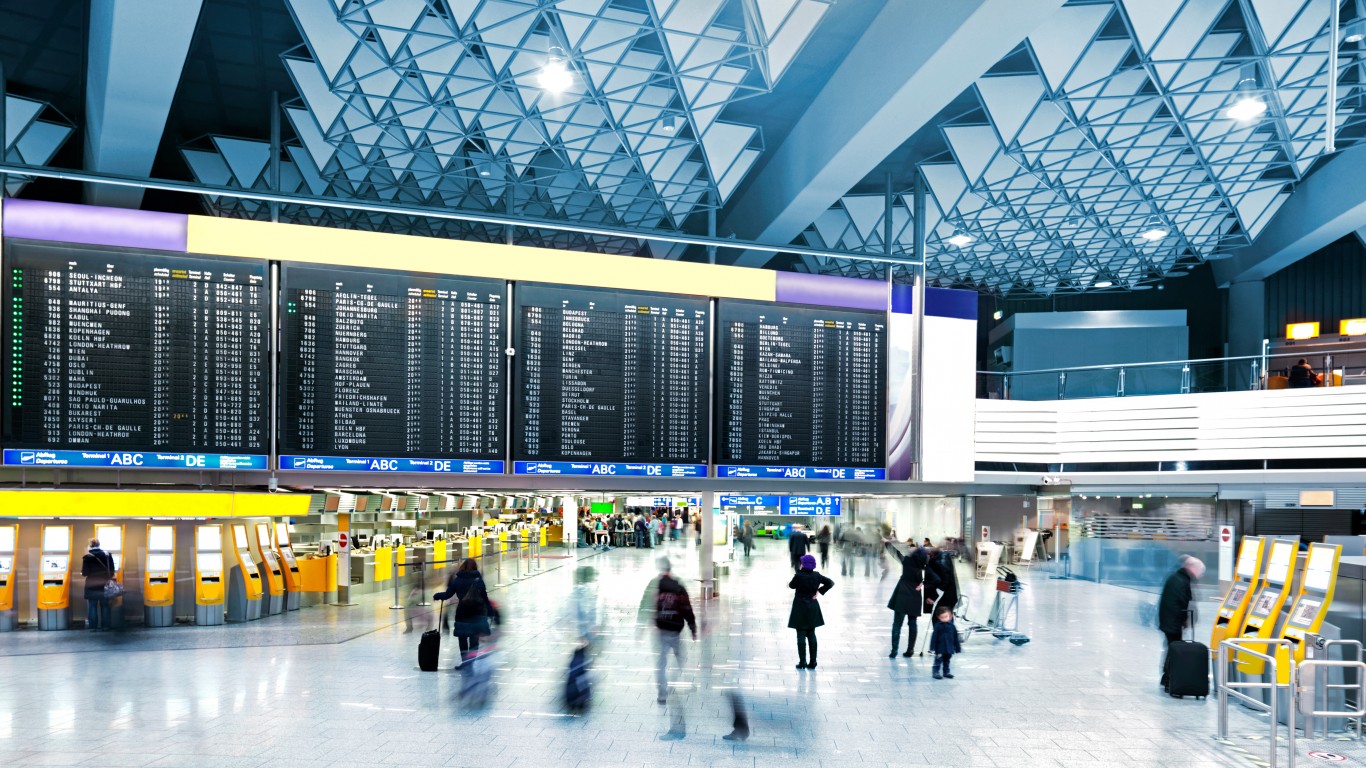
The end of World War II heralded the Bretton Woods system and rules-based international order. The creation and expansion of the World Bank, IMF, UN and World Trade Organization set the foundations for multilateralism, free trade and international law. Multinational corporations have thrived under such conditions, accessing untapped markets, raw materials and cheap labor. Globalization lowered production costs, reduced business risks and boosted profits. According to the Global Peace Index, global conflict in 2025 has reached its highest level since World War II. Unrestrained globalization seems like an outlier as we return to a more fragmented world. The German Chancellor has warned that the global order “no longer exists.” Meanwhile, European governments are ditching U.S. tech companies like Microsoft, Google and Zoom to ensure digital sovereignty.
In times of war and uncertainty, we prioritize self-preservation above collective concerns. External threats like war, economic and environmental collapse can narrow motivations toward immediate survival. Psychological studies show that under real and perceived threats, people become less tolerant of uncertainty and more reliant on in-group identity. The latest Edelman Trust
Barometer captures this shift, with 70% unwilling or hesitant to trust someone who has different values. The desire for survival manifests itself in different ways. For instance, the number of preppers in the U.S. has more than doubled to 20 million people since 2017. The prepper mindset is no longer confined to underground bunkers and stockpiling canned beans. It can also explain the nostalgia loop of rewatching the same shows, replaying the same music and rebuying the same products. When the future feels out of reach, we cling to the familiar. To thrive, brands need to offer emotional reassurance while painting a picture of a future that feels brighter than yesterday.
The K-shaped Economy
Business leaders across industries are navigating a growing divide between lower-income and more wealthy consumers. The top 10% of wealthiest Americans account for 50% of consumer spending. Put differently, 90% of the population only accounts for half of all consumption. Most people feel locked out of ordinary purchases. For mass consumer brands, the collapse of consumer spending power is a structural barrier to growth. Brands stuck in the middle are losing out as people trade up for meaning or down for price. And premiumization isn’t always the right answer.
Surprisingly, corporations aren’t openly calling for a more equal distribution of wealth. Even though the data is overwhelming, low-income households spend a higher share of any extra money they receive. The money is more likely to circulate, boosting economic growth and job creation. In contrast, Coca-Cola has reported that lower-income consumers are buying fewer products. McDonald’s has revived the Extra Value Meal to combat declining traffic from lower-income customers. And Mondelez recently reported that value-seeking customers are trading down to private label. At the same time, we’re seeing growing interest in RichTok. Ultra-high-net-worth individuals flaunting their out-of-touch lifestyle to the masses. The 21st-century equivalent of smelling bread you’ll never get to eat. Showing off wealth used to be cringe and uncool, but today influencers like Becca Bloom present million-dollar hauls, gifting the proverbial 99% front-row seats to how the 1% lives. Historically, the most durable and stable periods of prosperity occur when productivity gains translate into rising disposable incomes for the working class and an expanding middle class. For global brands, long-term growth depends on engaging governments and policymakers on income and wealth distribution.
China’s Rising Soft Power
China is the world’s manufacturing superpower. The country accounts for almost a third of global manufacturing output. But historically, China has punched below its weight in creating cultural exports. This is otherwise known as “soft power,” which can be defined as the ability to influence behavior and interests through culture, values and ideas rather than through force. For example, the United States has been able to project soft power globally through Hollywood movies, McDonald’s and Coca-Cola. The UK’s soft power icons include the Royal Family, the Premier League and James Bond. For Japan, examples include anime, Nintendo and sushi. Despite the name, “soft power” can influence taste, aspiration and identity long before politics or policy enters the picture.
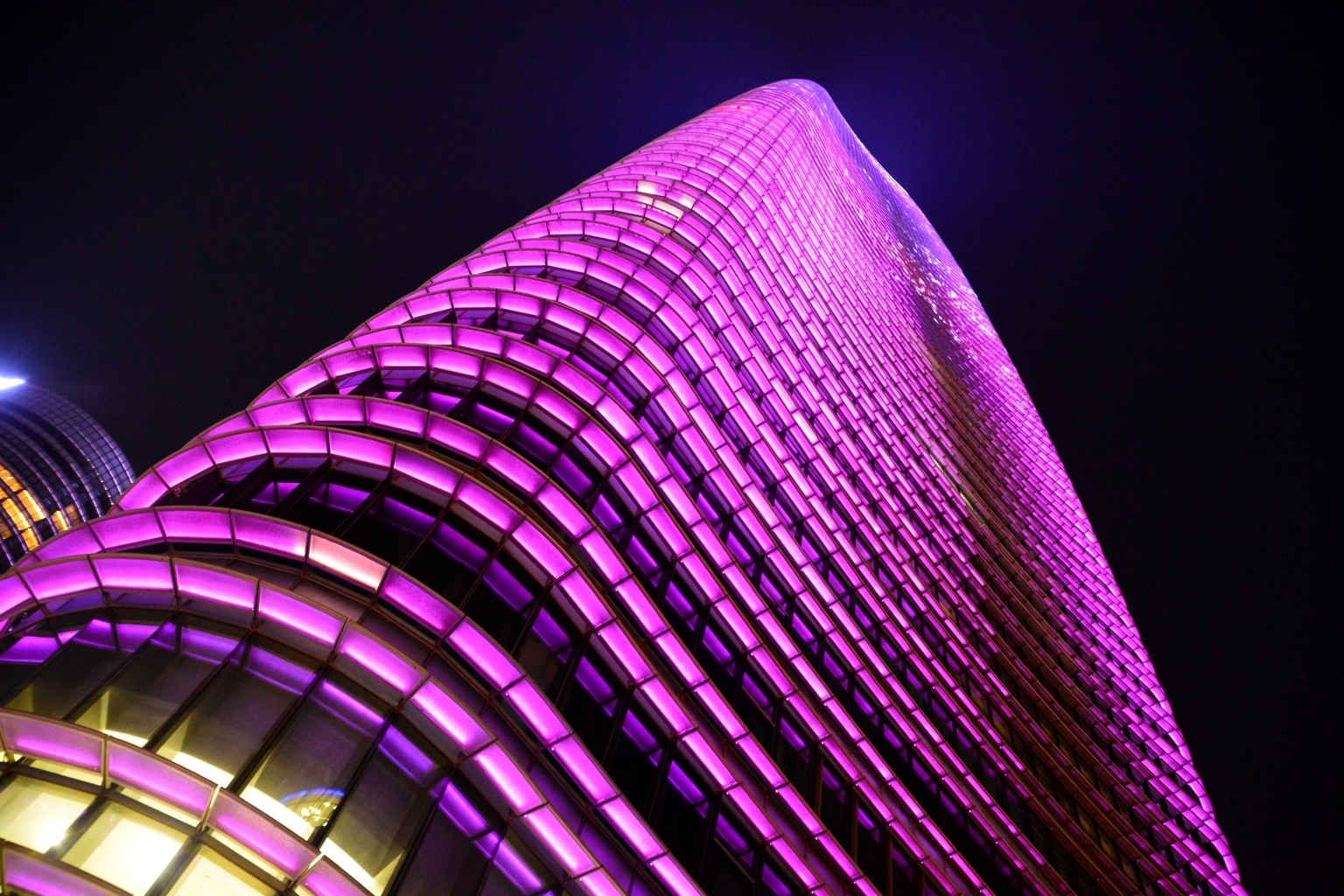
China has now overtaken the U.K. to become the world’s second most influential soft power nation after the United States. The 2008 Beijing Olympics were a pivotal moment in China’s intentional pursuit of soft power and cultural influence. We’re now entering the next frontier. In 2026, China’s BYD overtook Tesla as the world’s largest electric car seller. Chinese AI startup DeepSeek is directly competing with OpenAI on math and reasoning benchmarks. And Luckin Coffee has overtaken Starbucks as China’s largest coffee chain while entering the U.S. market. Crucially, people in the West have more touchpoints with Chinese culture, brands and products than ever before. Chinese culture is no longer perceived as alien or hostile, but something people actively engage with. Chinese culture is cool. China’s emerging soft power reflects the changing cultural values of a new generation of Westerners who are more open to non-Western culture and identity formations. When KFC opened in Beijing in 1987, it was a highly symbolic moment. Today, we might be witnessing the reverse.
The Small Treat Economy
The traditional markers of adulthood are no longer achievable or aspirational. In most developed countries, young adults are less likely to own a house, get married and have children. But they are more likely to be single and live with their parents. The social contract is broken. In the U.K. and the U.S., the average home price in major metropolitan cities now stands at 10 times the median income, up from 3 times in the 1980s. Paradoxically, rent and house ownership have surged, while consumer goods—like electronics and clothing—have become more affordable. In the 1980s, mobile phones were a luxury item that would cost $4,000, representing 10 to 20% of annual income. Today, consumer goods are within reach, but adulthood is expensive.
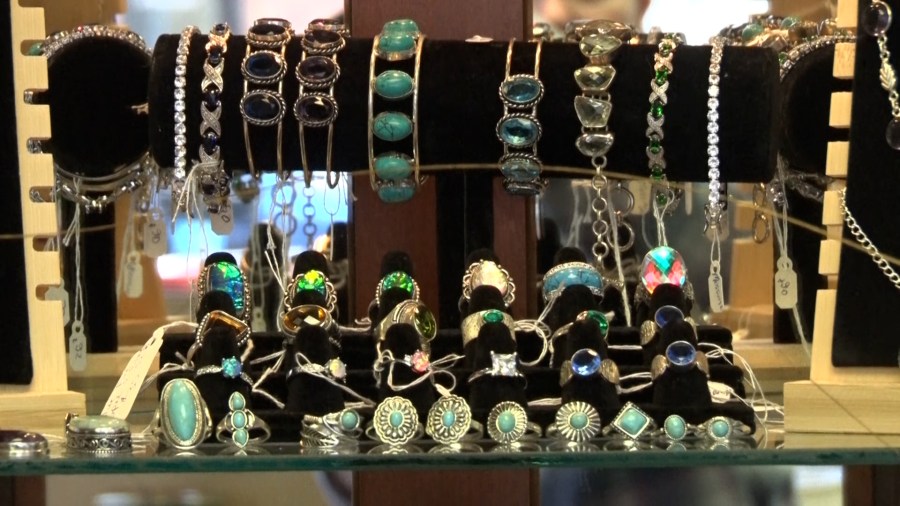
Welcome to the small treat economy, where small pleasures replace big dreams and deferred futures. The $10 matcha latte, $20 Erewhon smoothie and $100 fast-fashion haul make everyday life more palatable. For Gen-Z, who are locked out of big purchases, grocery items have emerged as an unlikely status symbol. The small treat economy can also explain the insatiable demand for merch. People are obsessed with limited-edition drops that can make them feel unique or part of an in-group. Recent examples include the Starbucks Bearista cups frenzy. Fans queuing overnight to get their hands on the Marty Supreme windbreaker jacket at Timothée Chalamet’s pop-up shop. And the Trader Joe’s tote bag outside of the U.S. In 2001, Leonard Lauder, the former chairman of Estée Lauder, coined the term “Lipstick Effect” to describe consumers’ tendency to purchase small indulgences during economic downturn. The small treat economy is the Lipstick Effect without an end date.
IRL Luxury
Many experts predict that 2026 will be the year of the analog life. The hypothesis is that people will gradually spend less time on screens and more time in the physical world. However,Gen-Z averages 8 to 10 hours of daily screen time, the highest of any generation. In other words, most young people are chronically online. Based on current projections, Gen-Z is on track to spend roughly 30 years of their lives on screens. Algorithms serve personalized content in an infinite, mesmerizing and inescapable loop. The platforms are designed to capture attention to maximize advertising revenue.
Despite the emerging narrative, spending time in real life (IRL), away from screens, will be a luxury, unattainable by most people. People across the world rely on the internet, cloud infrastructure and algorithms to access income and opportunities. A mother of three in the Philippines, who works as a virtual assistant, doesn’t have the luxury to unplug. A freelance graphic designer looking for work on Upwork, checking Slack for client feedback and following up on invoices won’t be able to attend a digital detox retreat. IRL will go mainstream in the same way vinyl records did: as a niche luxury marketed as authenticity. In 2025, Gen-Z had the lowest percentage of library cardholders (62%). The aspirational imagery of silent book clubs, slow morning routines and chess meetups is a far cry from the reality of most people struggling to make ends meet. In 2026, being offline will be a luxury because it signals you can afford to disconnect from the algorithm.
The Solo Economy
The single-person household is now the fastest-growing household type globally. More than half of the U.S. adults are unmarried, and one-person households are now the nation’s most common living arrangement. One in three Gen-Z are projected never to marry. Nevertheless, most companies still focus product development and marketing communication on the nuclear family. Married couples with children represent the highest and most consistent source of lifetime consumer spending. The nuclear family is relatively easy to target and has a regular monthly spending pattern. But marketing hasn’t adapted to the changing structure of modern families.
With declining marriage and birth rates and more young men and women not in relationships, the solo economy is a lucrative, underserved market. Young people are opting for solo dates, solo dinners and solo travelling. Unlike previous generations, single life is not stigmatized but, in some ways, romanticized. The overwhelming message: it’s okay to do things alone. There is no shame in asking for a table for one. It’s a message of self-love and self-acceptance. However, the implication shouldn’t always be to tailor your proposition, product or communication to the solo economy. Brands should activate a two-pronged strategy. Firstly, help young people connect in the real world. Secondly, be inclusive and accessible to individuals who exist outside the confines of a traditional nuclear family.
The Illusion of Control
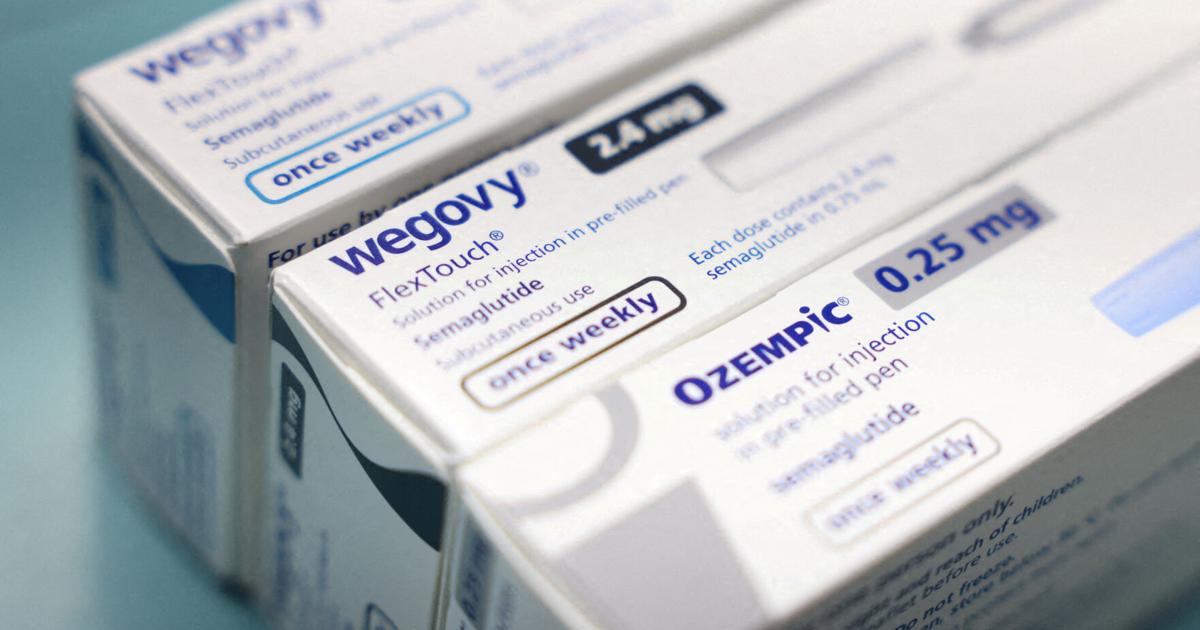
When the outside world feels economically unstable, politically fragmented and environmentally volatile, the self becomes one of the few systems we can manage. We begin to obsess over control and personal agency in an increasingly uncertain world. The mindset is simple: If I can’t control the outside world, I can at least control myself. The desire for control manifests itself in different ways. Young people are obsessed with high-protein diets. Protein has shifted from a functional nutrient to a lifestyle that signals personal agency, wellness and discipline. The new era of self-optimization is all-encompassing, like the rise of Strava for tracking, analyzing and sharing fitness performance. Young people are even swapping dating apps for meetups via Strava based on shared hobbies. Oura, the Finnish company behind the Oura ring health tracker, has experienced explosive growth, doubled revenue and achieved an $11 billion valuation. The defining feature of self-optimization is obsessive data tracking and the belief that we can exert control over our bodies.
This behavior isn’t new. When anthropologist Bronislaw Malinowski visited the Trobriand Islands in Papua New Guinea in 1915, he made a groundbreaking observation. The fishermen would engage in elaborate rituals before fishing in the deep ocean, but not when fishing in the calm lagoon. The painting of boats, magic spells and decoration was a coping mechanism for the unpredictability of the Pacific Ocean. Self-optimization is simply a modern-day equivalent. An attempt to restore a semblance of control through personal choices when the world feels uncontrollable.