As 2025 comes to a close, Santa Barbara is saying goodbye to several long-standing and newer businesses that helped shape daily life across the county, from multigenerational staples to more recent ventures.
From neighborhood markets and repair shops to gyms, retail stores, and manufacturing facilities, the closures reflect financial strain driven by rising costs, lease changes, and broader economic pressures.
Here Are 10 Santa Barbara-Area Businesses That Permanently Closed in 2025
1. Volcom
Volcom’s retail store in the 600 block of State Street sold surf, skate, and lifestyle apparel in downtown Santa Barbara. The store was operated by Liberated Brands LLC, which also oversees brands including Quiksilver and Roxy, according to a February 10 Edhat report.
In 2025, “store closing” signs appeared after Liberated Brands filed for bankruptcy. The company cited macroeconomic challenges including rising interest rates, inflation, supply chain disruptions, and declining consumer demand.
2. Faitell Attractions

Faitell Attractions was a locally owned vintage design and consignment store located in the 100 block of West Canon Perdido Street.
Operating out of a 4,000-square-foot showroom, the shop specialized in vintage and upcycled furniture, antiques, lighting, clothing, art, and accessories, while also offering interior design services and fine consignment, according to its website.
In early 2025, the owners announced the store would permanently close on March 1 after losing its lease, according to Edhat.
3. Sensata Technologies

Sensata Technologies is a global supplier of sensing, electrical protection, control, and power management solutions, with operations in 14 countries.
According to the Pacific Coast Business Times, the company’s Carpinteria facility at 6382 Rose Lane focused on manufacturing and technical operations.
In a WARN Act filing, Sensata announced the site would permanently close by March 31, 2025, with no plans to relocate operations elsewhere in the region.
4. Lompoc Thrift Store & Boutique
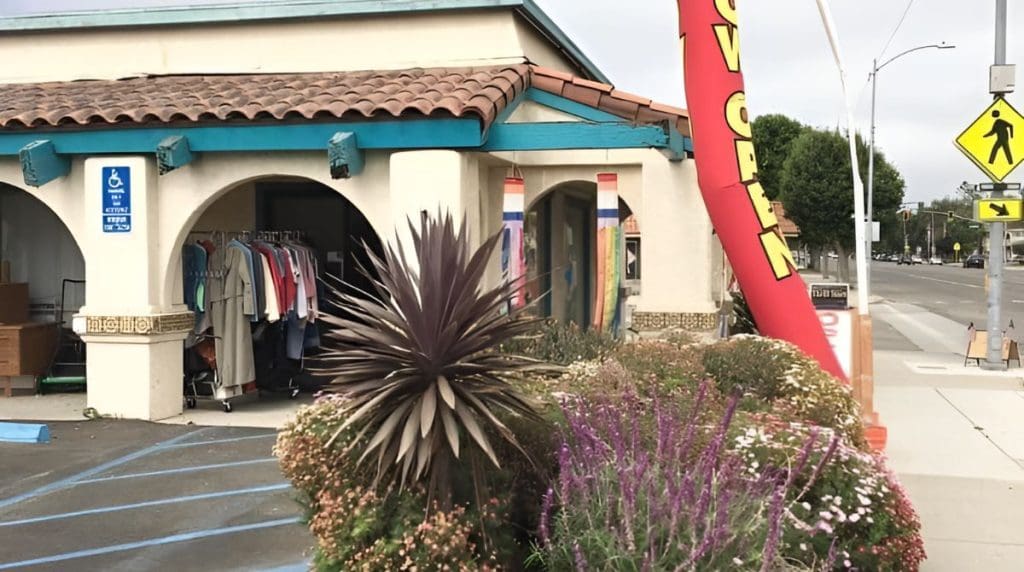
The Lompoc Thrift Store & Boutique opened in 2022 at 330 West Ocean Avenue as a fundraising effort for the Lompoc Seniors Club, selling secondhand items and relying heavily on volunteer labor, according to online listings.
Despite strong dedication from a small group of volunteers, the store struggled to recruit enough help to remain sustainable. In April 2025, organizers announced the business would permanently close, citing insufficient volunteer support.
While the thrift store closed, the Lompoc Senior’s Club continues to host events and raise funds through other means.
5. Cookie Plug
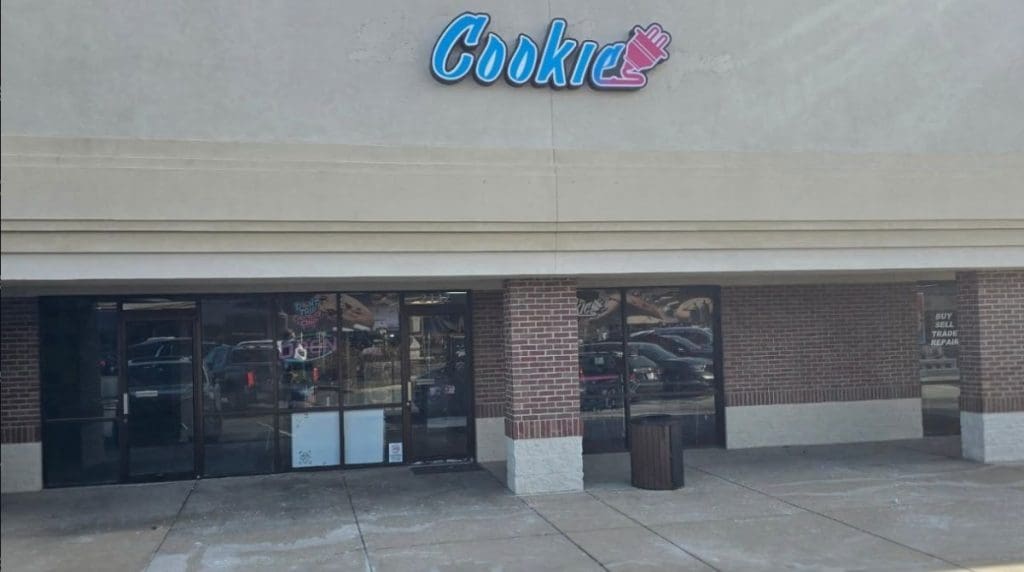
Cookie Plug operated a specialty cookie shop at 918 State Street, known for its oversized cookies. Owner Annette Rodriguez moved the business into the space about 14 months before closing, investing more than $100,000 to meet city requirements, according to KSBY.
The shop quickly gained popularity for both its products and social media presence. However, the business faced challenges after the master lease for the city-owned building was not renewed. Following several short-term extensions, the city declined to offer a long-term lease, and Cookie Plug permanently closed on April 24, 2025, according to KSBY.
6. Rite Aid

Two Rite Aid pharmacies in Santa Barbara, located at 1976 Cliff Drive and 35 South Milpas Street, closed in 2025 as part of the company’s nationwide downsizing. The stores sold prescription medications, personal care items, and household essentials.
According to Edhat, shelves were largely empty as the stores neared their final days, with remaining items discounted. The closures followed Rite Aid’s second bankruptcy filing in two years, part of a broader shutdown of locations across Santa Barbara County.
7. Jensen Guitar & Music Co.
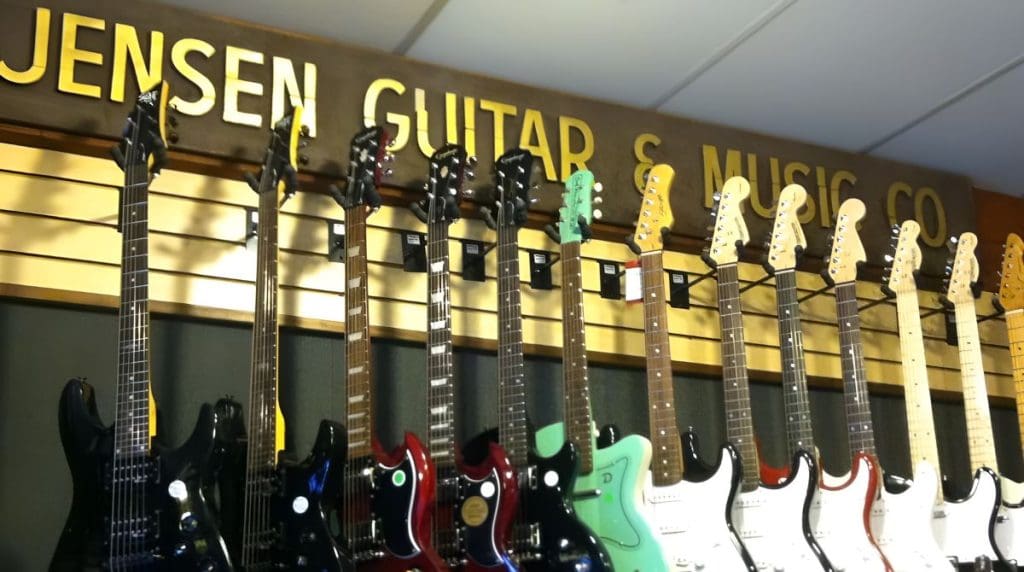
Jensen Music was a family-owned musical instrument shop located at 2830 De La Vina Street. Founded in 1973 by Chris Jensen, the store sold new and used guitars, stringed instruments, amplifiers, and accessories, and also offered instrument repairs and music lessons.
Over nearly 52 years, Jensen Music became a cornerstone of Santa Barbara’s music community. In 2025, a handwritten note on the door announced the store’s permanent closure, thanking customers for decades of support, according to Edhat.
While staff remained available briefly for repairs and consignment pickups, the closure marked the end of a long-running local shop that had supported generations of musicians.
8. Santa Barbara Rock Gym

Santa Barbara Rock Gym opened in 2012 at 322 State Street as the city’s first dedicated indoor climbing gym. The facility offered daily passes, memberships, climbing classes, youth programs, and community events, according to a November 3 Edhat report.
For more than a decade, the gym served as a gathering place for local climbers. The business announced it would permanently close on November 15, 2025.
The owners cited rising operational costs, the long-term impact of the pandemic, and increased competition as factors behind the closure, stating the business was no longer financially sustainable.
9. Powell Garage

Powell Garage was a long-running auto repair and maintenance shop that had served Santa Barbara for nearly 90 years. Founded in 1938, the business operated at its longtime location at 1327 De La Vina Street.
The garage offered services including engine repairs, diagnostics, brake work, air conditioning service, and maintenance for older vehicles.
In December 2025, owners Paul and Fred Ledesma announced the garage would permanently close on December 19 after learning the property had been sold, prompting the decision to shut down operations, Edhat reported.
In December 2025, owners Paul and Fred Ledesma announced the garage would permanently close on December 19 after learning the property had been sold, Edhat reported. The sale of the property forced the owners to make this decision.
10. Isla Vista Food Co-op
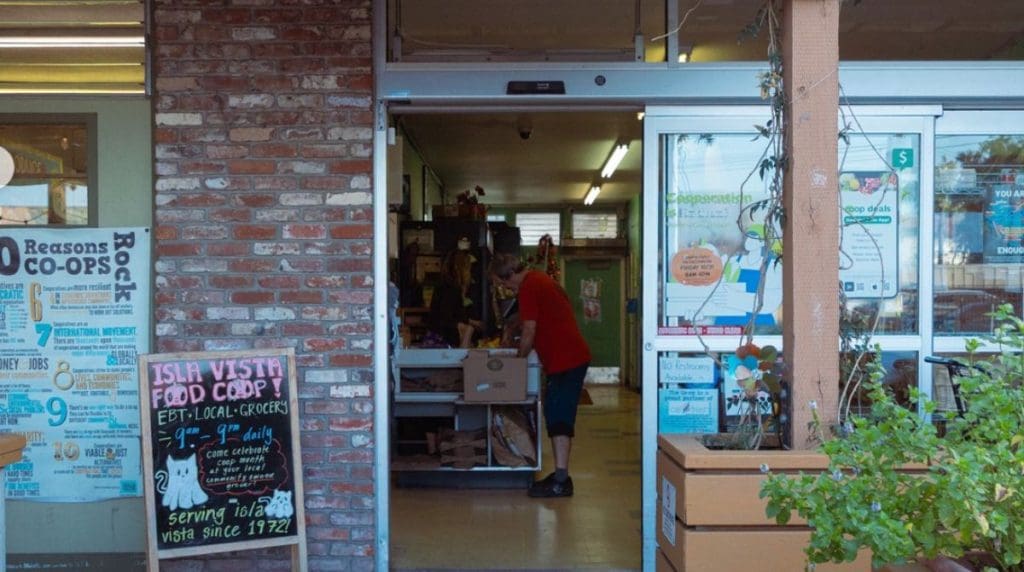
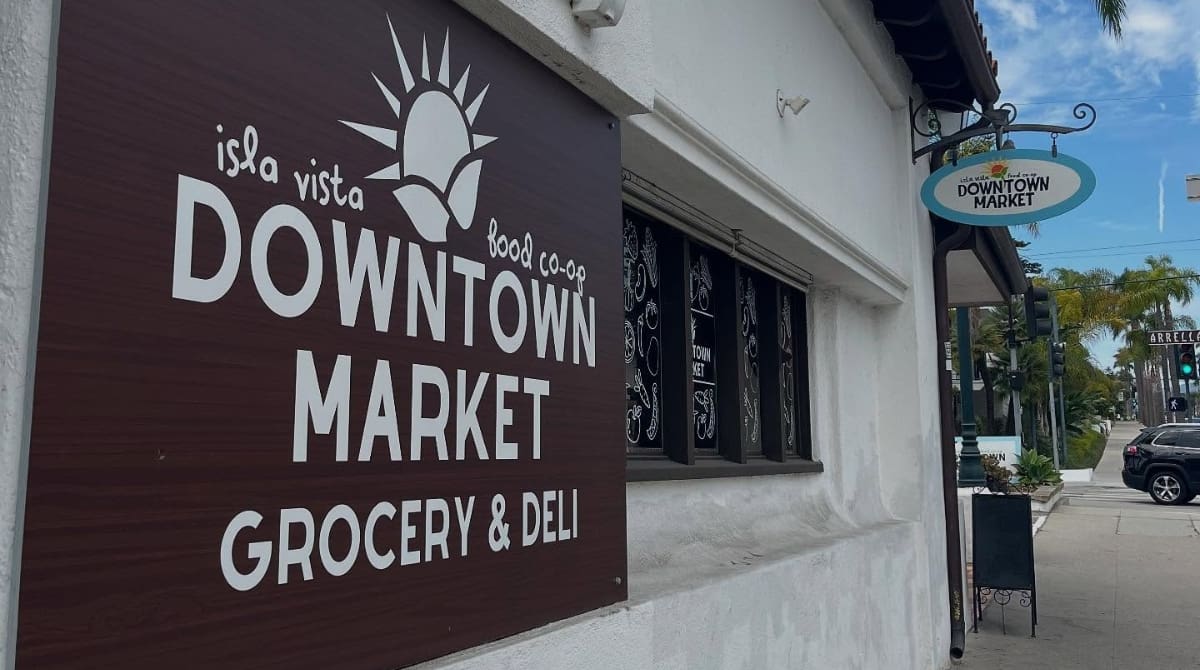
The Isla Vista Food Co-op opened about two years ago at 1553 State Street in Santa Barbara with the goal of expanding access to community-owned grocery options. The store sold locally sourced food and aimed to serve longtime owners, according to a December 15 Edhat report.
The co-op announced that it would permanently close down its downtown location on December 26, 2025, citing high operating expenses and lower-than-expected sales.
While the thrift store closed, the Lompoc Senior’s Club continued to host events and raise funds through other means.
Each of these closures leaves behind more than an empty storefront, representing lost jobs, changing neighborhoods, and the end of familiar routines for residents.
Together, these closures tell a story shaped by economic pressures, rising costs, lease challenges, and shifts in consumer behavior, highlighting the difficulties faced by both small local businesses and larger employers.